
The Modern Pharmacy: Beyond the Prescription Counter
Category : Su tesisatçısı
Many people assume a pharmacy is nothing more than a retail space for picking up a bottle of pills and paying the co-pay. They think the interaction ends the moment the pharmacist hands over the bag. This is a massive misunderstanding of how the industry actually functions in a modern economy.
In reality, pharmacies have become complex logistics hubs and clinical service providers. They handle everything from specialized chemical compounding to sophisticated insurance coordination. If you only walk in for your antibiotics, you are missing the broader ecosystem that keeps the healthcare machine moving.
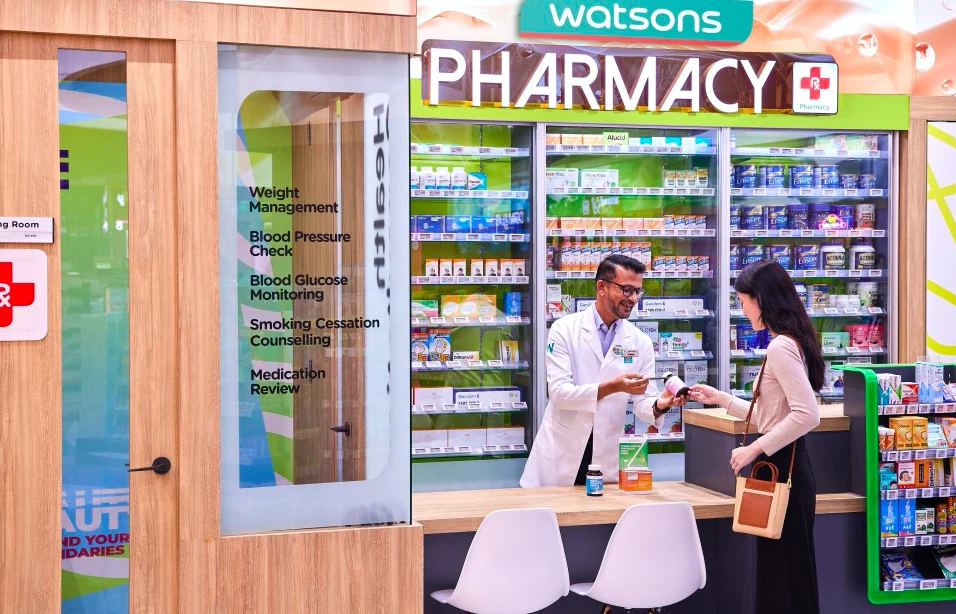
The scope of what happens behind those glass partitions has expanded significantly. We see a shift toward convenience-driven models and specialized care that many patients don’t even realize is available to them. The local shop is no longer just a store; it is a high-tech, high-touch healthcare interface.
The Rise of Frictionless Fulfillment
Convenience is the primary driver for most modern consumer behavior. This isn’t just true for groceries or clothing. In pharmacy services, it means avoiding the waiting room when you are feeling under the weather. Many pharmacies now offer curbside pickup for health supplies, vitamins, and personal care products, which removes the physical barrier of a long queue.
Digital-first models are also disrupting the old-school “walk-in” standard. Companies like Capsule have changed the math on how we receive medication. They offer same-day delivery and integrated insurance coordination, meaning you don’t have to spend twenty minutes arguing with a cashier about a coverage gap. They even handle custom compounding, which is a highly specialized service usually reserved for clinical settings.
This digital shift creates a tiered system of service. On one end, you have the hyper-local, community-focused shop. On the other, you have the tech-driven delivery service that arrives at your door before you’ve even finished your lunch. Both are valid, but they serve very different psychological and practical needs.
Consider a patient named Sarah. She manages a chronic condition that requires three different medications and a specific vitamin supplement every morning. In the old days, she would spend an hour every Tuesday at the pharmacy. Now, she uses a digital platform that syncs with her insurance, manages her refills, and delivers everything to her doorstep in a single, coordinated drop. The efficiency is staggering.
Is the speed of delivery worth the loss of face-to-face interaction with a local pharmacist? That is a question many are starting to ask as the “big tech” approach to medicine gains ground.
A Spectrum of Physical Products
People often conflate “pharmacy” with “prescription drugs.” This is a mistake. The inventory in a modern pharmacy is vast and varied. It includes high-margin retail items and essential medical supplies that you can’t find at a general convenience store.
We can break down the product categories into three main buckets:
- Prescription Medications: These are the regulated drugs requiring a doctor’s order, ranging from standard pills to specialized biologics.
- Over-the-Counter (OTC) Products: These include everything from simple pain relievers to complex allergy medications. For instance, Village Apothecary offers a wide range of OTC products to ensure customers can find what they need for self-care.
- Wellness and Personal Care: This encompasses vitamins, dermatological creams, and specialized dietary supplements.
The retail aspect of a pharmacy is actually quite sophisticated. It’s not just a shelf of aspirin. It’s a curated selection of health products designed to support the treatment prescribed by a physician. A pharmacist often acts as a consultant here, suggesting a specific vitamin to mitigate the side effects of a prescription medication.
The inventory management required for this is intense. A pharmacy must balance the high-turnover, low-cost items like bandages with the low-turnover, extremely high-cost specialty medications. If a pharmacy runs out of a common antibiotic, they lose a customer. If they run out of a specialized oncology drug, they face a much more serious clinical problem.
When you look at the shelves, you aren’t just looking at products. You are looking at a carefully managed supply chain designed to meet immediate physiological needs. It is a delicate balance of logistics and medical necessity.
The Business of Pharmacy Transitions
The pharmacy industry isn’t just about retail; it is a massive asset class. Because pharmacies are so integrated into the healthcare system, they are high-value targets for acquisition and sale. This creates a whole secondary market for people who manage these businesses.
Buying or selling a pharmacy is not like selling a standard retail boutique. There are regulatory hurdles, DEA compliance issues, and complex insurance contract transfers. If a pharmacist wants to retire, they can’t just put a “For Sale” sign in the window and hope for the best. They need a structured transition.
The Cardinal Health Pharmacy Transition Services team, for example, manages this process from the pre-planning stages all the way through to the final closing. They handle the finding of a buyer and the actual transfer of operations. This ensures that patient care isn’t interrupted during the change in ownership.
The complexity of these deals is why the industry is so specialized. You have to account for:
| Factor | Impact on Sale | Primary Concern |
|---|---|---|
| Payer Contracts | High | Maintaining reimbursement rates after sale. |
| Inventory Valuation | Moderate | Accounting for expiring versus non-expiring stock. |
| Compliance Records | Critical | Ensuring all DEA and state board regulations are met. |
| Patient Volume | High | Predictable cash flow based on chronic refills. |
We see this play out in community-based models too. For instance, Discount Drug Mart has served its community for 57 years, showing how a long-standing local institution can maintain its relevance through decades of economic and regulatory change. Such longevity is rare and indicates a deep integration into the local social fabric.
Regulatory Oversight and Market Integrity
Because pharmacies handle controlled substances and public health, the government keeps a very close eye on them. The Federal Trade Commission (FTC) is one of the main watchdogs here. They monitor competition and ensure that the market for health care services and products remains fair.
The FTC’s focus isn’t just on drug prices, though that is a massive part of the public conversation. They also look at how pharmacies operate, how they interact with insurance companies, and whether mergers between large chains are stifling local competition. If a few massive players control all the prescription fulfillment in a certain region, it can drive up costs for everyone.
This regulatory environment creates a high barrier to entry. You cannot simply open a pharmacy because you like chemistry. You need massive capital, strict adherence to state licensing boards, and a constant eye on federal anti-competition guidelines. This is why we see so much consolidation in the industry. Small, independent pharmacies are often squeezed between rising costs and the sheer scale of national chains.
The tension between “access” and “profit” is the defining conflict of the modern pharmacy. We want drugs to be cheap and easy to get, but the infrastructure required to deliver them safely is incredibly expensive. This tension is why you see so many different business models, from the high-tech, low-overhead delivery app to the high-service, high-overhead community apothecary.
Pharmacy services are far more than just a transaction; they are the final safety check in the healthcare delivery chain. We need to treat them as such. If you want to go deeper, Pharmacie du Parc Blagnac is a solid place to start.